
FSSC 22000 Version 7 for Feed and Animal Food Production
Course Prerequisite(s)
- Please note that this course has the following prerequisites which must be completed before it can be accessed
-
 The ISO 22000 Standard
-
 ISO22002-100:2025 The PRP Standard Requirements
About Course
You must finish Step 1 and Step 2 before this course will open. A category D FSSC 22000 audit is conducted against four documents. Steps 1 and 2 teach two of them. This course teaches the other two, ISO 22002-6:2025 and the FSSC 22000 additional requirements. Taken in order, the four fit together and nothing is repeated.
Enrolment on this course opens on its own the moment Steps 1 and 2 show as complete in your dashboard. There is nothing to send us and nothing to claim — the system checks it for you.
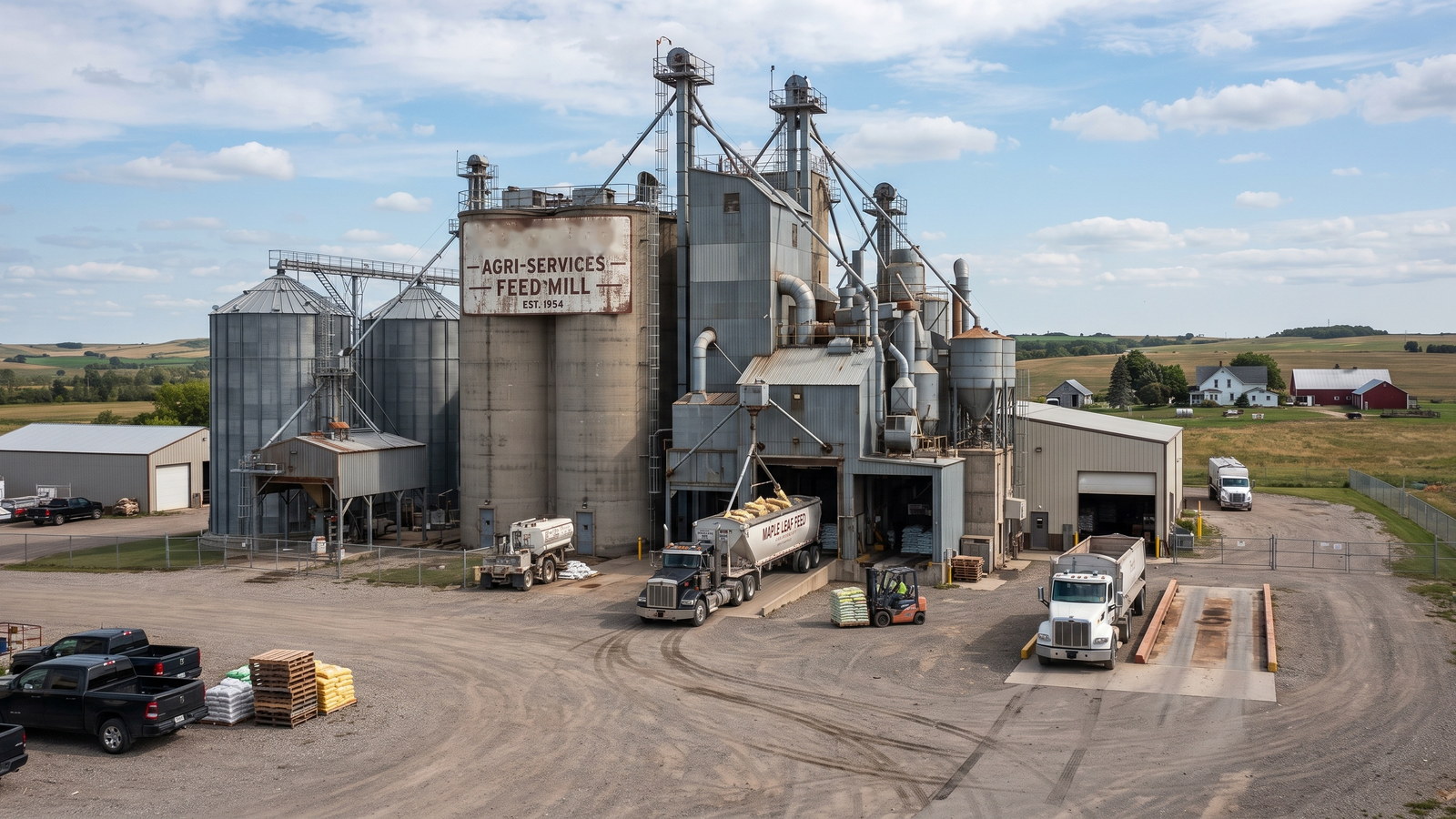
This course is the feed and animal food layer of FSSC 22000 Version 7. It takes food chain category D and teaches what ISO 22002-6:2025 adds on top of ISO 22002-100:2025, together with the FSSC 22000 additional requirements at their real category D scope.
Category D covers the processing of feed material intended for food and non-food producing animals that are not kept in households, such as meal from grain, oilseeds and by-products of food production, and the processing of feed mixtures with or without additives intended for food-producing animals, including premixes, medicated feed and compound feeds. The consumer at the end of your chain has four legs, but the hazard travels into the human food chain all the same, and the scheme treats it that way.
The course works clause by clause through ISO 22002-6:2025, and gives particular attention to the two places where feed departs from every other sector: the rework clause, which in a feed mill is a daily operational reality rather than an exception, and the additional requirement that applies specifically to category D in addition to clause 12, covering procedures to manage ingredients and additives containing components that can have an adverse animal health impact.
Twenty four lessons across four teaching modules, each closing with a knowledge check, then an implementation toolkit module with two browser based tools and a final assessment module. The graded final assessment runs to four parts, 150 questions and 180 marks, with Part 4 carrying double marks. Three attempts and a pass mark of 70 percent. Every question carries a written explanation naming the clause that settles it.
Course Content
Module 1: Category D, and what a feed audit is conducted against
-
Lesson 1: What this course covers, and what it assumes you already know
-
Lesson 2: Category D in the scheme’s own words
-
Lesson 3: The four documents a category D audit is conducted against
-
Lesson 4: Where feed hazards actually come from
-
Lesson 5: Reading a requirement, and the habit that gets you through the audit
-
Module 1 knowledge check
Module 2: ISO 22002-6:2025, the mill and its infrastructure
Module 3: ISO 22002-6:2025, the operational core
Module 4: The FSSC additional requirements at category D scope
MODULE 5: THE IMPLEMENTATION TOOLKIT
MODULE 6: FINAL ASSESSMENT AND NEXT STEPS
Student Ratings & Reviews
