
Home / Courses / GLOBALG.A.P. training
GLOBALG.A.P. · Integrated Farm Assurance · Chain of CustodyOnline GLOBALG.A.P. Chain of Custody Training for Aquaculture and Livestock
Courses for farms, packhouses, fish farms and traders whose buyers ask for a GGN. Learn the IFA v6 control points for plants, or how Chain of Custody keeps certified product separate and traceable from the farm gate to the shelf.
- Taught by a GLOBALG.A.P. Registered Trainer
- 8 000+ learners trained
- 4.9 on Google, 366 reviews
- Online, self-paced, certificate included
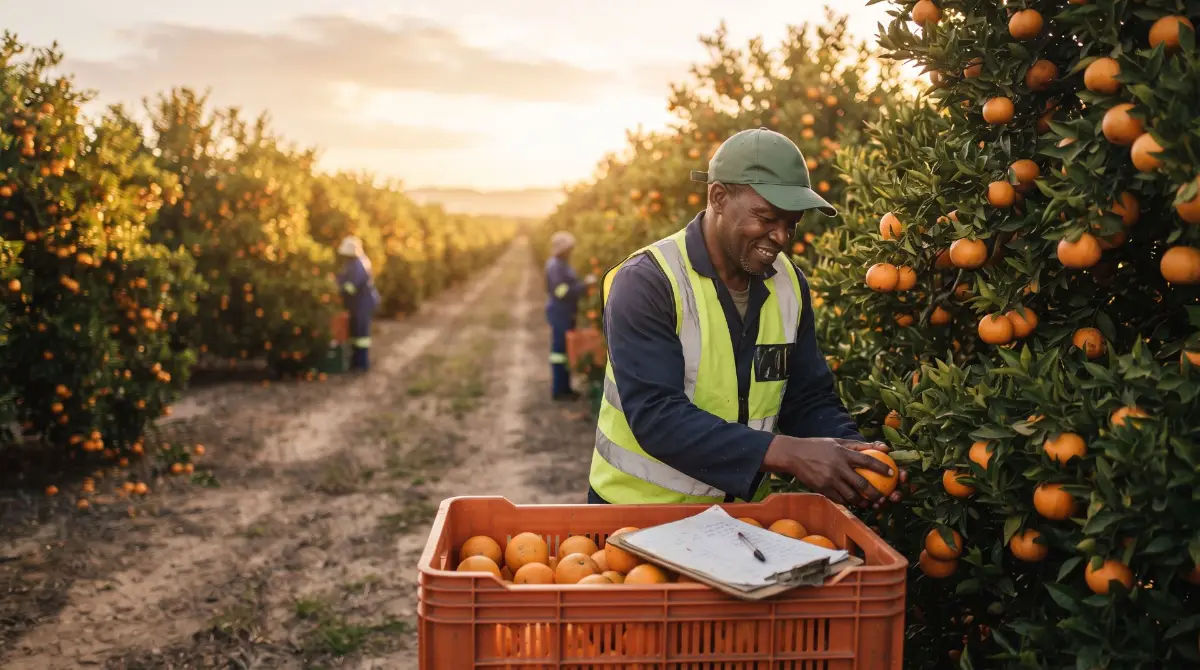
The farm standard that decides who gets onto export shelves
GLOBALG.A.P. certifies how food is grown and farmed. For fruit, vegetables and farmed fish heading to European and UK retailers, it is usually the first document a buyer asks for.
producers certified to GLOBALG.A.P. standards worldwide
countries with GLOBALG.A.P. certified production
growth in South African certified producers over six years, to more than 5 600, abalone farms among them
“It has become a minimum standard for buyers supplying European supermarkets.”CBI, the Dutch Centre for the Promotion of Imports from developing countries
Sources: globalgap.org; FreshPlaza, 17 April 2024; CBI.
Where the certificate travels, from farm to shelf
IFA certifies how a product was grown or farmed. Chain of Custody (CoC) certifies the businesses that handle it afterwards, so it can still be sold as GLOBALG.A.P. certified. If one link loses track of a lot, the claim stops there.
- Stage 1
Farm
IFA v6 Smart or GFSCrop protection and fertiliser records, water use, worker health and safety, harvest hygiene and lot identification.
IFA v6 for Plants course - Stage 2
Packhouse
IFA or CoCReceiving checks, keeping certified and non-certified lots apart, packing records, and labels that carry the GGN.
CoC for Plants course - Stage 3
Cold store and transport
CoC proceduresPallet IDs, temperature logs and dispatch notes that keep each lot’s identity intact while it is stored or moved.
CoC for Plants course - Stage 4
Trader or exporter
CoCBuying and selling certified product in its own name, with invoices that state certified status and volumes that reconcile.
CoC for Aquaculture course - Stage 5
Retail shelf
GGN labelThe buyer or shopper can trace the GGN back to the certified farm. Businesses that put the GGN label on their own packs need CoC.
Read the IFA and CoC guide
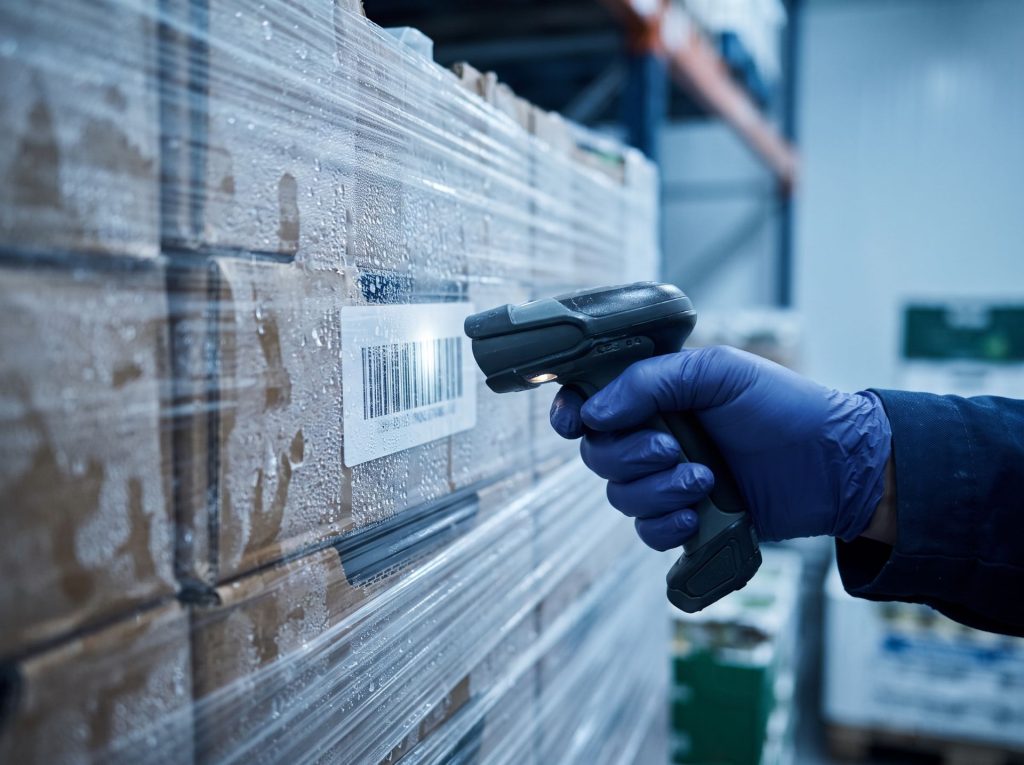
Ownership is the trigger
A business that buys certified product and sells it on as certified normally needs its own CoC certificate, even if it never opens a box.
Segregation is the daily habit
Certified and non-certified lots can share a site. They should never share a pallet, a label or an invoice line.
Mass balance is the audit test
The auditor compares certified volumes bought, sold and in stock. A packhouse cannot sell more certified fruit than it received.
Which GLOBALG.A.P. course fits your operation?
Start with what your business does to the product. Growing it, handling it after harvest, and farming fish each lead to a different standard.
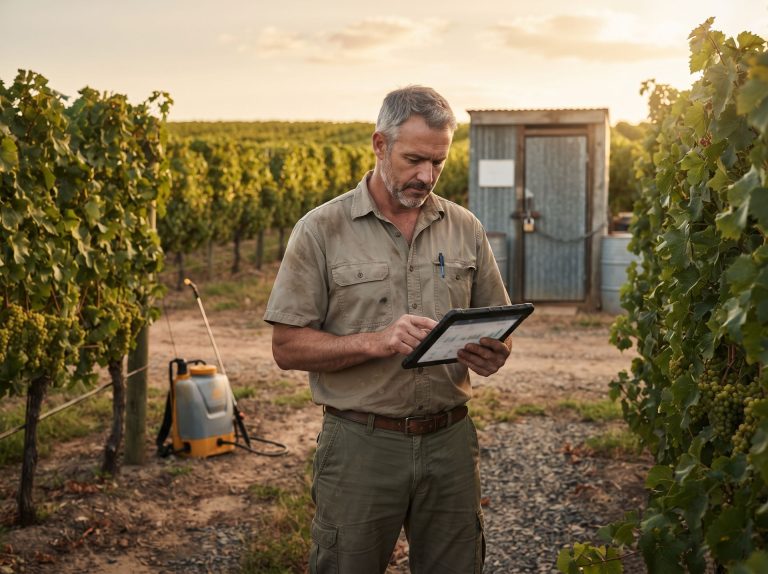
Farms and producer groups
You grow fruit, vegetables, flowers or other crops and need IFA v6 certification, or you keep the farm’s food safety records.
IFA v6 for Plants · R4 200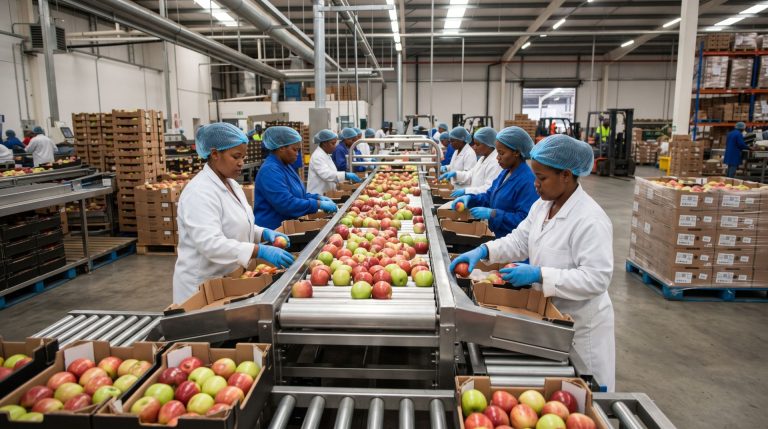
Packhouses, exporters and traders
You handle certified plant products you did not grow and need to keep them certified all the way to your customer.
CoC for Plants · R649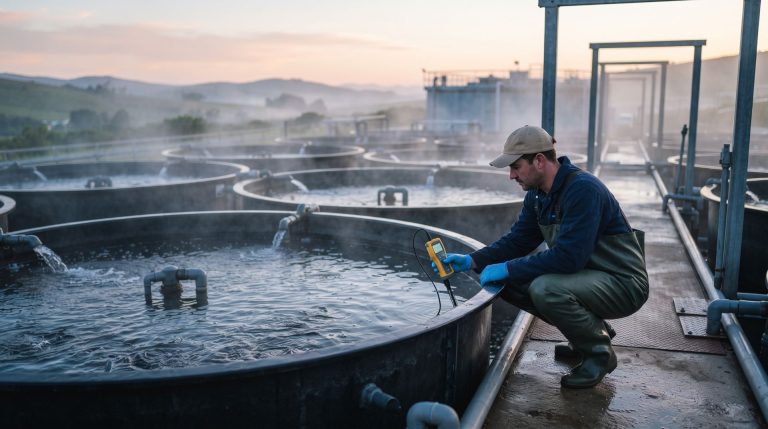
Aquaculture and seafood businesses
You farm, process or trade fish, shellfish or abalone, and your buyers ask for GLOBALG.A.P. Chain of Custody.
CoC Aquaculture and Livestock · R795Three online GLOBALG.A.P. courses
All three are self-paced and open as soon as you enrol. Prices are in South African rand, and card payments from other countries convert at your bank’s rate.
Implementation of GLOBALG.A.P. IFA v6 for Plants
For farm managers, technical and compliance staff, and consultants preparing a farm or producer group for an IFA v6 audit.
R4 200R4 500Smart and GFS
- Module 1, General Regulations: 7 lessons
- Module 2, Production Processes: 13 lessons
- Module 3, General Requirements: 16 lessons
- Final assessment and a practical assignment
GLOBALG.A.P. Chain of Custody for Plants
For packhouses, traders, exporters, processors and retailers that buy and sell certified fruit, vegetables and flowers.
R649Self-paced
- What CoC covers and who needs it
- Keeping certified product separate and identified
- Traceability and volume checks
- Getting ready for the CoC audit
GLOBALG.A.P. Chain of Custody for Aquaculture and Livestock
For fish, shellfish and abalone farms, seafood processors and traders, and the QA and supply chain staff who support them.
R795Self-paced
- The CoC standard and certification process
- Aquaculture products and traceability
- Control Points and Compliance Criteria (CPCC)
- Audit preparation and records
Plants bundle: IFA v6 for Plants plus CoC for Plants for R3 879 instead of R4 849, a saving of R970.
View the bundleAbout livestock. GLOBALG.A.P. Chain of Custody v6.1 covers plants and aquaculture. Livestock under IFA is now a legacy solution, and livestock audits were only possible until 31 December 2023. The aquaculture content in our course applies in full; the livestock content stays for reference. If you are planning livestock certification, confirm the current options with your certification body first.

Taught by a GLOBALG.A.P. Registered Trainer
Mthokozisi Nkosi, founder and lead trainer at ASC, is listed on GLOBALG.A.P.’s public register of Registered Trainers. You can check the listing on globalgap.org. ASC also works with a team of trainers and international subject experts who help write and review the courses.
More than 8 000 learners have trained with ASC across farming, food manufacturing and retail. Our Google rating is 4.9 from 366 reviews across our Randburg, Gqeberha and Cape Town branches.
Start with IFA v6 for PlantsSmart or GFS: which edition will your audit use?
IFA v6 comes in two editions built on the same core farm control points. Your buyer usually decides which one you need, and the IFA course covers both.
IFA v6 Smart
- Shares the core farm control points with GFS
- Follows GLOBALG.A.P.’s risk-based, outcome-focused approach
- Accepted by buyers that do not require GFSI recognition
IFA v6 GFS
- Benchmarked and recognised by the Global Food Safety Initiative (GFSI)
- Adds the requirements GFSI benchmarking calls for
- Needed when a retailer asks for a GFSI-recognised certificate
Not sure which one? Check the supply agreement or ask the buyer before you book the audit. Changing edition after the audit is booked costs time.
What the IFA auditor asks to see
A short list of records farms most often scramble for on audit day.
- The farm’s self-assessment against the IFA checklist, done before the audit
- Plant protection product records, including pre-harvest intervals
- Fertiliser application records
- Water risk assessment and water test results
- Hygiene risk assessment for harvest and produce handling
- Worker training records and the health and safety risk assessment
- Traceability from each block or orchard to the harvested lot
- Recall and withdrawal procedure, with evidence it has been tested
What a Chain of Custody auditor checks
CPCC stands for Control Points and Compliance Criteria, the checklist the auditor scores your site against. Most of it comes down to four questions about every certified lot, and each one shows up on something as ordinary as a pallet tag.
- Product
- Navel oranges, class 1
- Status
- GLOBALG.A.P. certified 1
- Farm GGN
- 4049929xxxxxx 2
- Lot
- PH-0917-012 2
- Store
- Cold room 3, certified bay 3
- Cartons
- 84 in · 84 out 4
Illustration only. Real tags vary by packhouse and buyer.
Identification
Is it marked as certified?
Certified product is identified as certified on labels, pallet tags, delivery notes and invoices, so nobody has to guess.
Traceability
Can you trace it both ways?
Each lot links back to the supplier and its GGN, and forward to the customer. Auditors often pick one lot and ask you to trace it in both directions.
Segregation
Is it kept apart?
Certified and non-certified product are kept separate, or clearly identified, at receiving, storage, packing and dispatch.
Mass balance
Do the numbers add up?
Certified quantities bought, sold and in stock have to reconcile. Selling more certified product than you received is a serious finding.
GLOBALG.A.P. guides
Free articles from our blog on how the standards fit together.
GLOBALG.A.P. certification in South Africa: IFA and Chain of Custody
How the IFA and CoC standards fit together for South African farms, packhouses and exporters.
GLOBALG.A.P. toolkit and course bundle
The course combinations and support material that go with an IFA or CoC project.
Which food safety certification does your business need?
GLOBALG.A.P., FSSC 22000, BRCGS or ISO 22000: how to tell which scheme your buyer is asking for.
GLOBALG.A.P. training FAQ
What is GLOBALG.A.P. Chain of Custody?
GLOBALG.A.P. Chain of Custody is a standard that supports traceability and product integrity across the supply chain. It helps organisations show that certified products are correctly identified, handled and traced from production through processing, distribution, retail or food service.
Who should complete GLOBALG.A.P. Chain of Custody training?
The training suits farmers, producers, aquaculture operators, packhouse and export staff, quality assurance and compliance managers, supply chain managers, auditors, inspectors, and teams involved in CoC implementation or audit preparation.
Which GLOBALG.A.P. course should a farm start with?
A farm or producer group that needs its own certificate should start with Implementation of GLOBALG.A.P. IFA v6 for Plants. Chain of Custody is for businesses that handle certified product after it leaves the farm, such as packhouses that take in other growers’ fruit, traders and exporters.
Does the Chain of Custody course cover aquaculture?
Yes. The Aquaculture and Livestock course covers aquaculture chain of custody, aquaculture products, traceability and the requirements that apply to GLOBALG.A.P. certification.
What does CPCC mean?
CPCC stands for Control Points and Compliance Criteria. These are the requirements an auditor uses to check whether an organisation meets the controls of the GLOBALG.A.P. Chain of Custody standard.
Is the trainer registered with GLOBALG.A.P.?
Yes. ASC’s lead trainer, Mthokozisi Nkosi, is a GLOBALG.A.P. Registered Trainer, and the listing can be checked on the Registered Trainers register at globalgap.org.
Can livestock farms still be certified under GLOBALG.A.P. IFA?
Livestock under IFA is now a legacy solution at GLOBALG.A.P., and livestock audits were only possible until 31 December 2023. Chain of Custody v6.1 covers plants and aquaculture. If you need livestock certification, confirm the current options with your certification body.
Do the courses include a certificate?
Yes. Learners who complete the course requirements and pass the assessments receive a downloadable Certificate of Completion. A minimum pass mark applies.
Are the courses online and self-paced?
Yes. All three GLOBALG.A.P. courses run online and self-paced on the ASC Online Training Hub. You can start as soon as you enrol and work through the lessons at your own pace.
Can I take the courses from outside South Africa?
Yes. The courses are online, self-paced and in English, so learners in any country can enrol. Prices are shown in South African rand and card payments convert at your bank’s rate. GLOBALG.A.P. is an international standard, so the content applies wherever your farm or business is.
GLOBALG.A.P. and GGN are trademarks of FoodPLUS GmbH. ASC’s courses are independent training and are not issued or endorsed by GLOBALG.A.P.
Ready for the day your buyer asks for the GGN
Study around the season, then walk into the audit knowing what the auditor will check.