
Root Cause Analysis Tools Compared: 5 Whys, Fishbone, Fault Tree, 8D
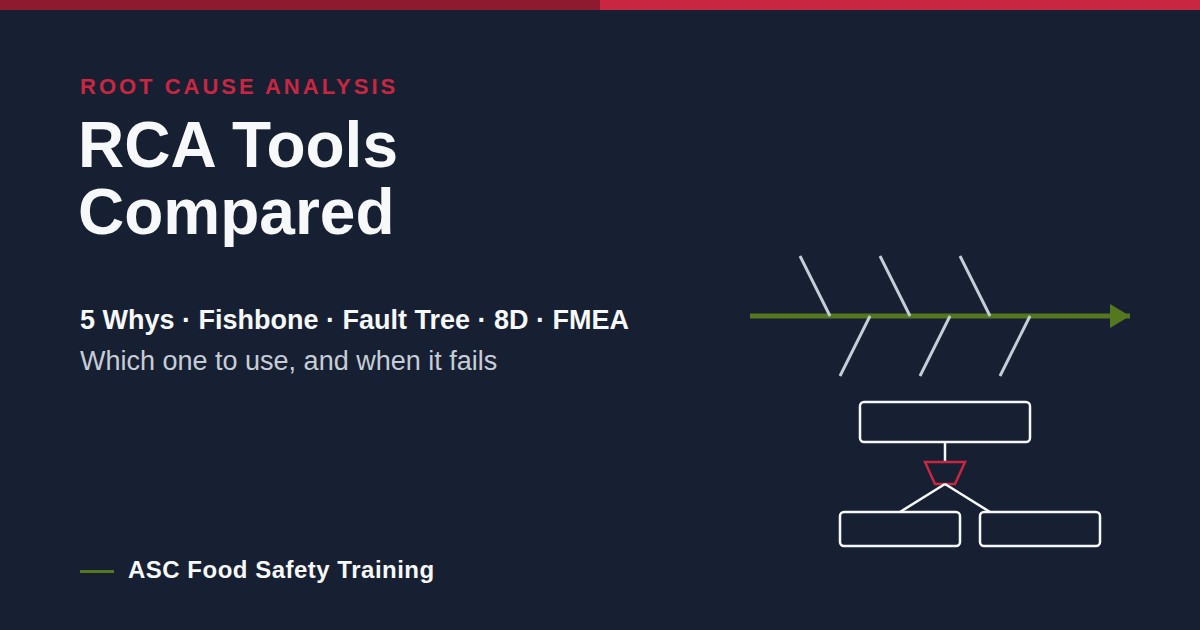
5 Whys, fishbone, fault tree, 8D and FMEA compared for food safety RCA, what each is best for, when it fails, and a worked foreign-body example run through three of them.
Most allergen recalls are not caused by bad cleaning. They start in a rework bin, an artwork approval or a changeover. The controls that prevent all three, and what auditors ask.
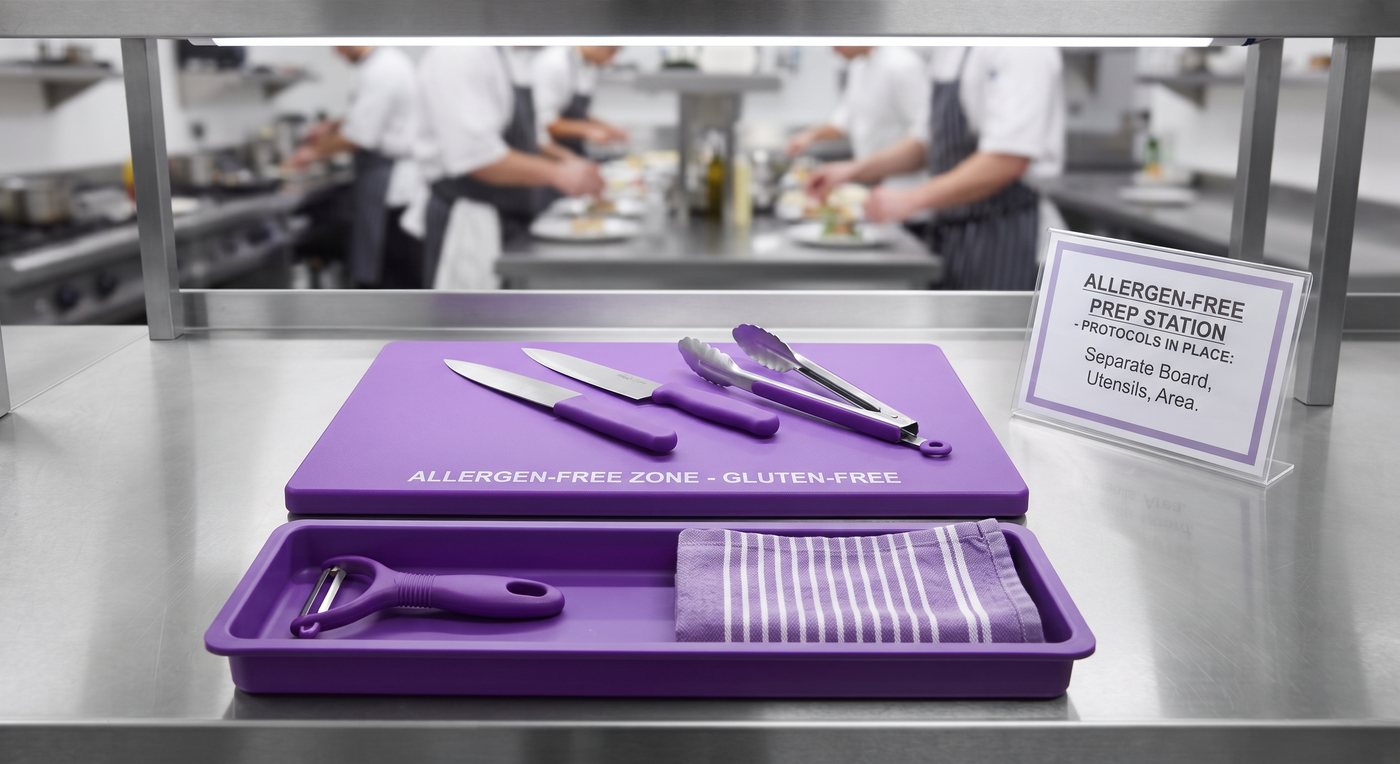
Allergen control in food service is a conversation followed by ninety seconds of decisions. The six controls that hold up in a real kitchen, and what to do when a customer reacts.
Precautionary allergen labelling should rest on a number. How reference doses work, how to calculate an action level for your product, and what BRCGS and FSSC auditors ask to see.
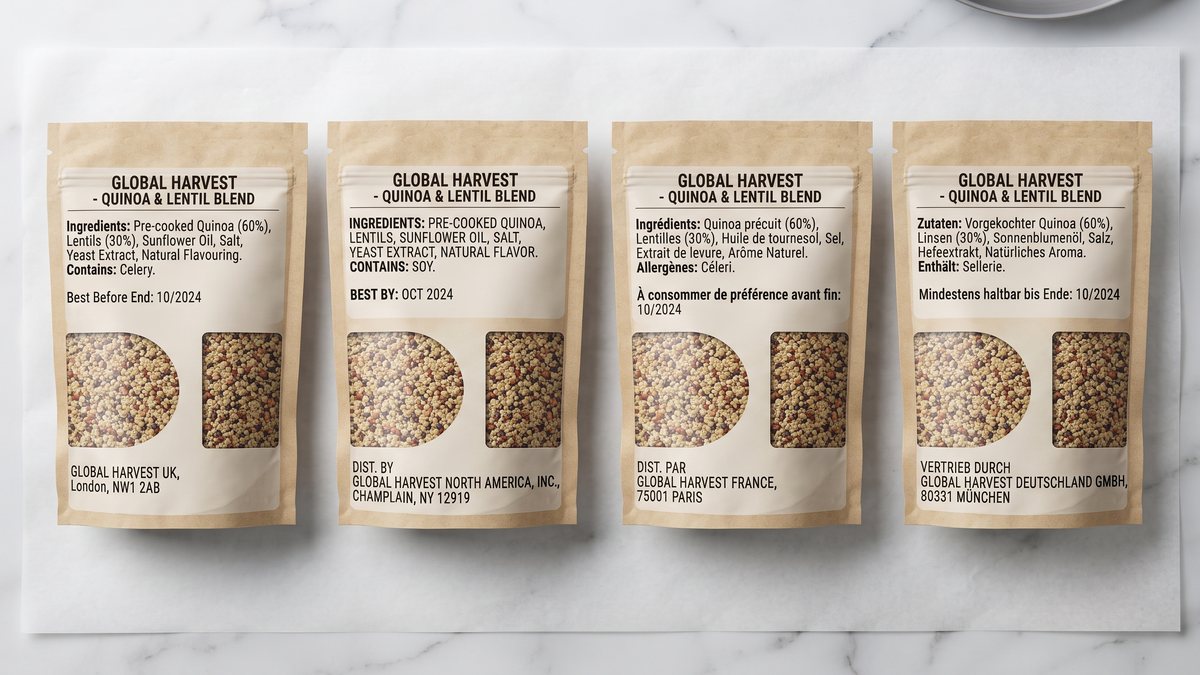
R146 of 2010 names eight allergen groupings plus sulphur dioxide. Here is what each one covers, the derivative trap, and the five allergens that catch South African exporters.
Average weight rules in South Africa: the three SANS 458 rules, how to work out T, T1 and T2, who may use the e-mark, fill targets and checkweigher checks.
How to become a food quality controller in South Africa: the retail and factory routes, what employers ask for, where QCTO fits, pay and a 12-month plan.
A QA supervisor job description for food manufacturing: QC vs QA supervisor duties, the verification week, CPMU and KPIs, a template and interview questions.
ISO 2859-1:2026 changes explained: skip-lot, OC curves in Annex E and internal suppliers, plus how to read an AQL sampling plan for food packaging.
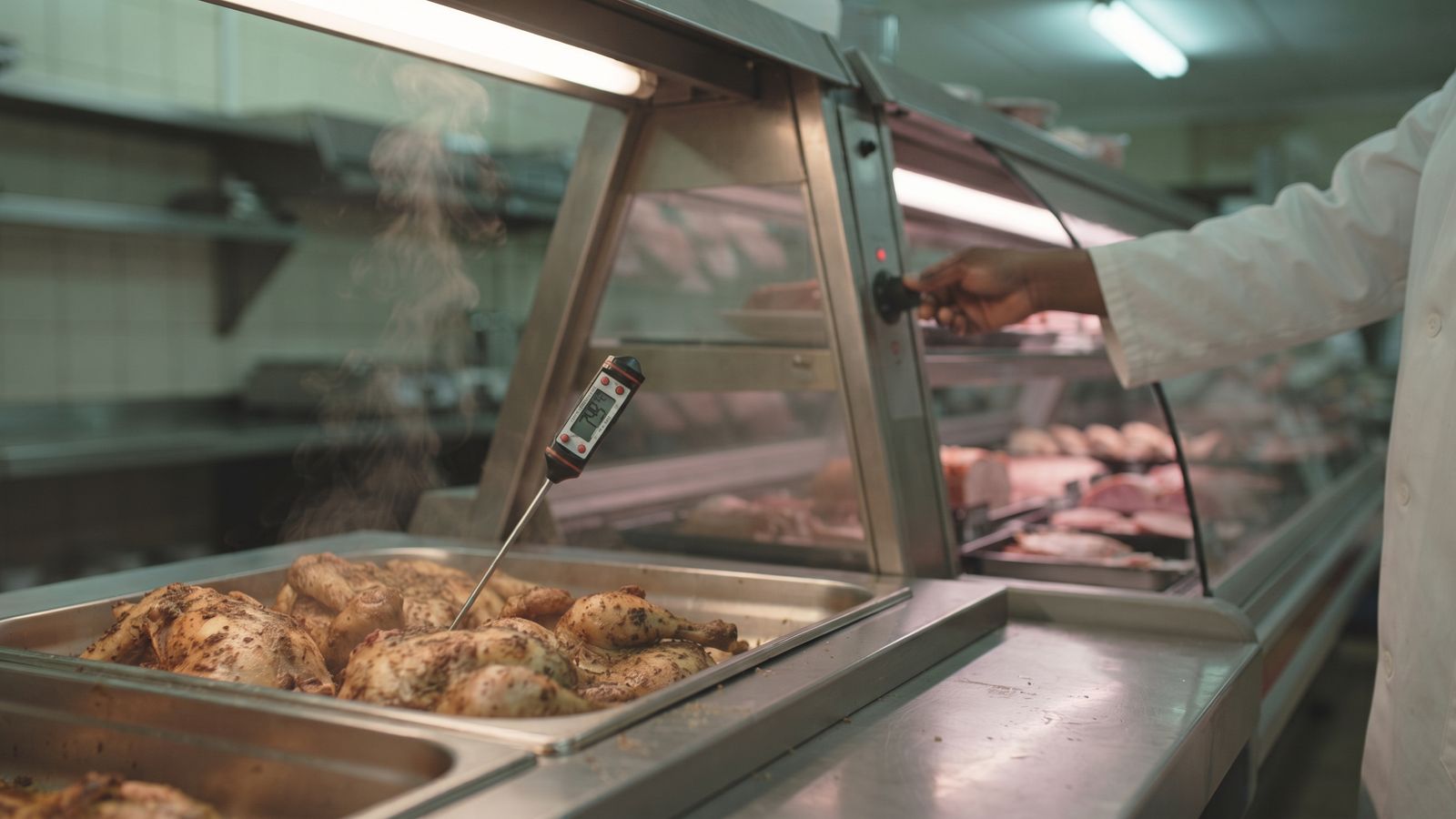
R638 temperature requirements explained: Annexure E limits, the 2 °C surface rule, the three exemptions, −18 °C vs −12 °C and what to do after a power cut.
Chat with us now, whichever is easiest for you.
Explore ASC services, training information, support pages and compliance resources.