EHEDG, 3-A or R638: Which Hygienic Design Standard Applies to Your Plant?
One is European industry guidance, one is a set of American sanitary standards, and one is South African law. What each is, how they stack, and which one to cite.
Online Food Safety Training Solutions

One is European industry guidance, one is a set of American sanitary standards, and one is South African law. What each is, how they stack, and which one to cite.
Guideline 8 is the document behind most hygienic design numbers in use, and it is also the one most often miscited. Here is what it covers, what it does not, and how to quote it so your specification holds.

Belt edge, bed, return rollers, drive, transfer and frame. Score a conveyor at those six points, with a photograph on every zero, and you have a capital case rather than a complaint.
The cheapest hygienic design control is a specification written before the steel is cut. Here is what to put in it, the evidence gates that go with it, and what South African law already requires of your equipment.

Three numbers off your own plant choose the grade: chloride, surface temperature and pH. Here is the commonly cited envelope for 304 and 316, where duplex earns its place, the four corrosion mechanisms you will actually meet, and the three documents to ask for at order.

A dead leg is a branch the cleaning solution sweeps past instead of through. Here is how to find every one on your line with a tape measure, how to work out L over D, which guidance sets which limit, and what the fix actually costs.
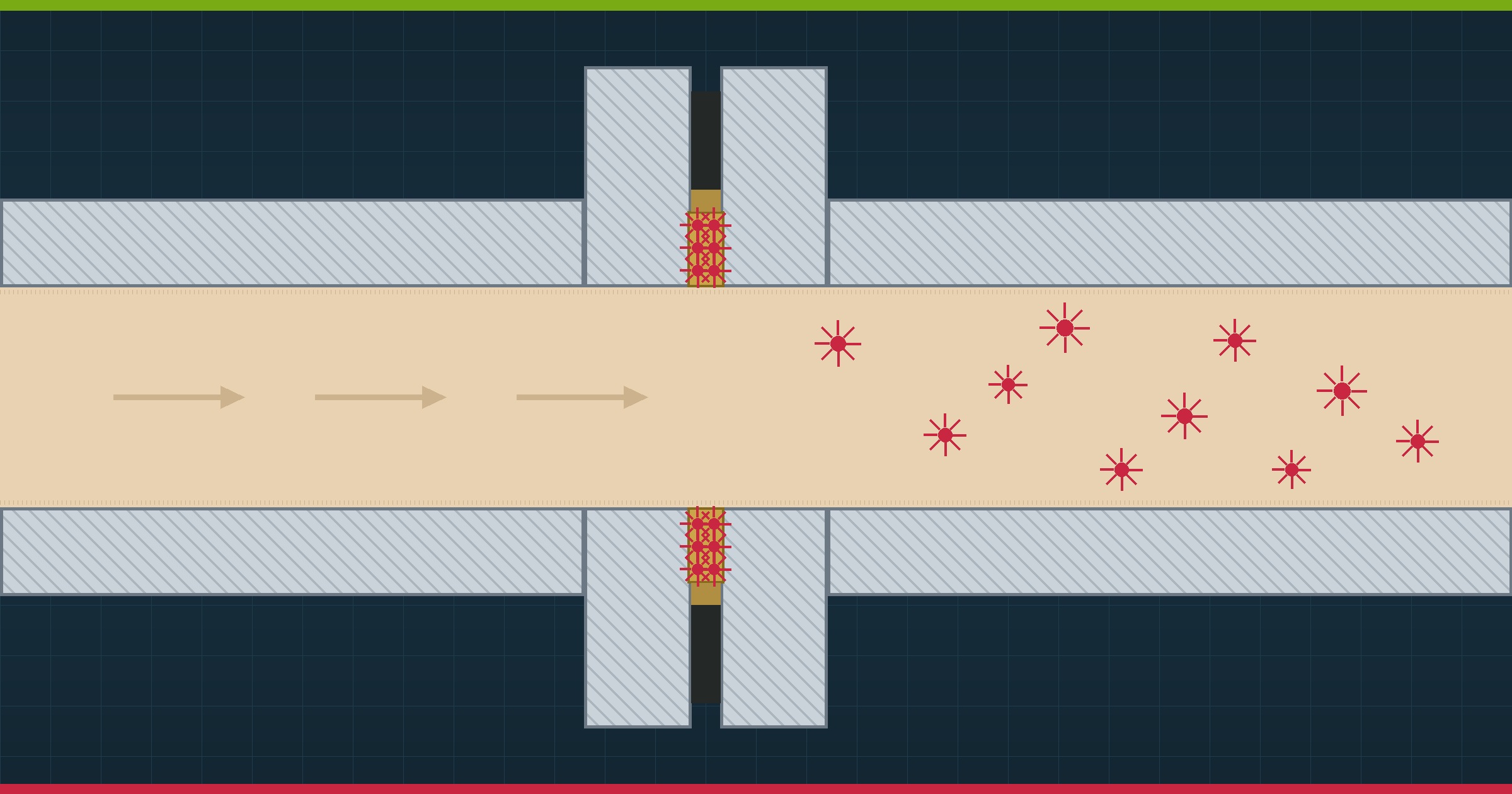
Hygienic design is why a machine that is cleaned perfectly can still fail a swab. The ten rules from EHEDG Guideline 8 with the actual numbers, what R638 regulation 6 already requires of your equipment, which scheme clause your auditor will open, and six design faults you can find on your own line this week.

Chat with us now, whichever is easiest for you.
Explore ASC services, training information, support pages and compliance resources.